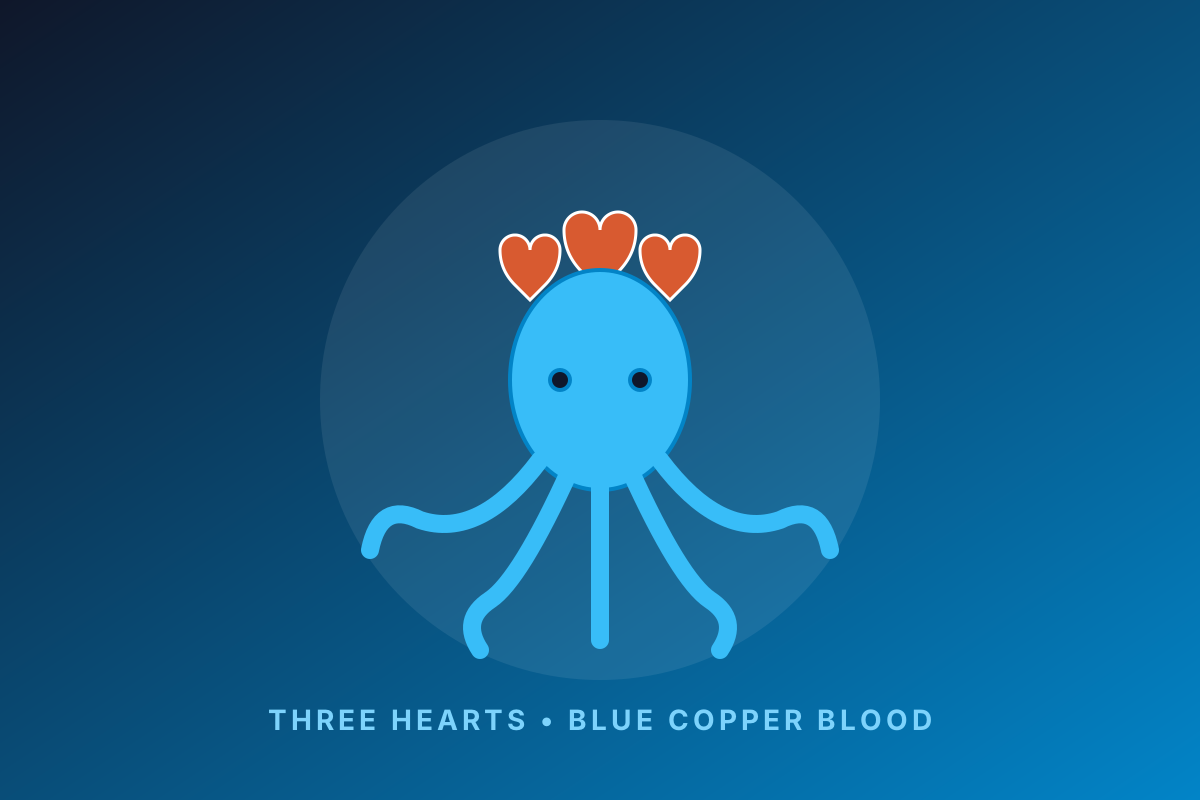
Human blood is red because iron in hemoglobin binds to oxygen. In the freezing, low-oxygen depths of the ocean, iron is less efficient. Cephalopods evolved hemocyanin, a copper-rich protein that turns brilliant blue when oxygenated.
To manage this viscous blood, the octopus uses three distinct hearts. Two auxiliary hearts feed the gills, while the central heart circulates oxygen to the organs.
Interestingly, when an octopus swims, the systemic heart stops beating. Because swimming is energetically exhausting, octopuses prefer to crawl along the seabed to conserve oxygen.
Key Takeaways
- Copper-based hemocyanin provides superior oxygen transport in cold, deep water.
- Two branchial hearts serve the gills; one systemic heart circulates the body.
- The main heart halts during swimming, making bottom-crawling preferred.
Sources & Archival References: