At 8:00 AM, that freshly brewed mug of dark roast feels like pure liquid motivation. Foggy morning thoughts clear away, fatigue evaporates, and you feel ready to conquer the day. Yet by 2:00 PM, an overwhelming wave of drowsiness crashes over your desk, leaving you feeling significantly more exhausted than if you had never consumed caffeine at all.
To understand the dreaded afternoon crash, you have to look at a neurochemical called adenosine. Throughout every waking minute, brain cells burn through adenosine triphosphate (ATP) for energy. As ATP is consumed, free adenosine molecules accumulate and bind to A1 and A2A receptors in the brain, slowing neural firing and creating homeostatic sleep pressure: the natural signal that you are growing tired.
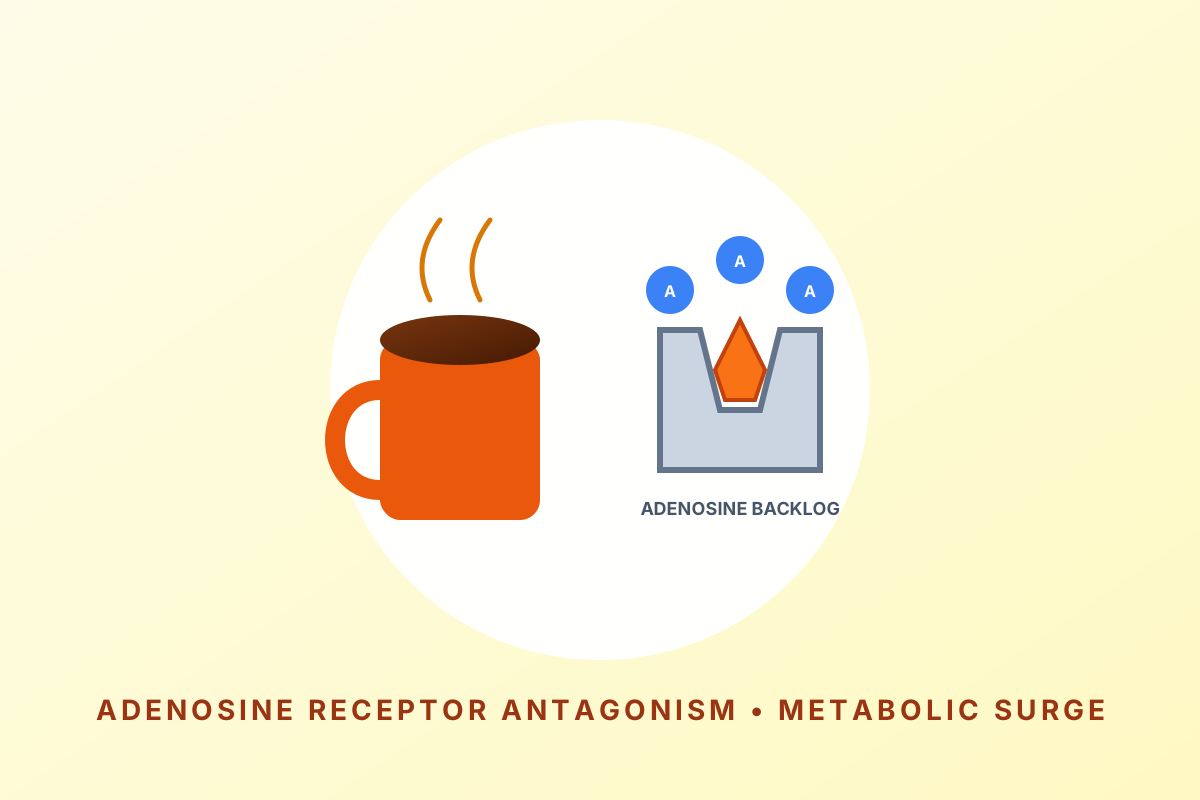
Caffeine happens to share a nearly identical three-dimensional molecular structure with adenosine. When you drink coffee, caffeine travels through the bloodstream and plugs directly into your brain's adenosine receptors. However, caffeine does not activate the receptor; it merely sits in the slot like a key that fits the lock but refuses to turn, preventing real adenosine from docking.
While caffeine keeps the alarm bell from ringing, your brain never stops producing adenosine behind the barricade. By mid-afternoon, liver enzymes (specifically cytochrome P450) finish breaking down the caffeine molecules. The moment caffeine vacates the receptors, hours of pent-up, accumulated adenosine rush in and flood the receptors simultaneously, triggering a catastrophic plunge in perceived energy.
Key Takeaways
- Adenosine builds up naturally during waking hours to create homeostatic sleep pressure.
- Caffeine does not create energy; it physically blocks adenosine receptors without activating them.
- When the liver clears caffeine, the accumulated backlog of adenosine floods receptors at once.