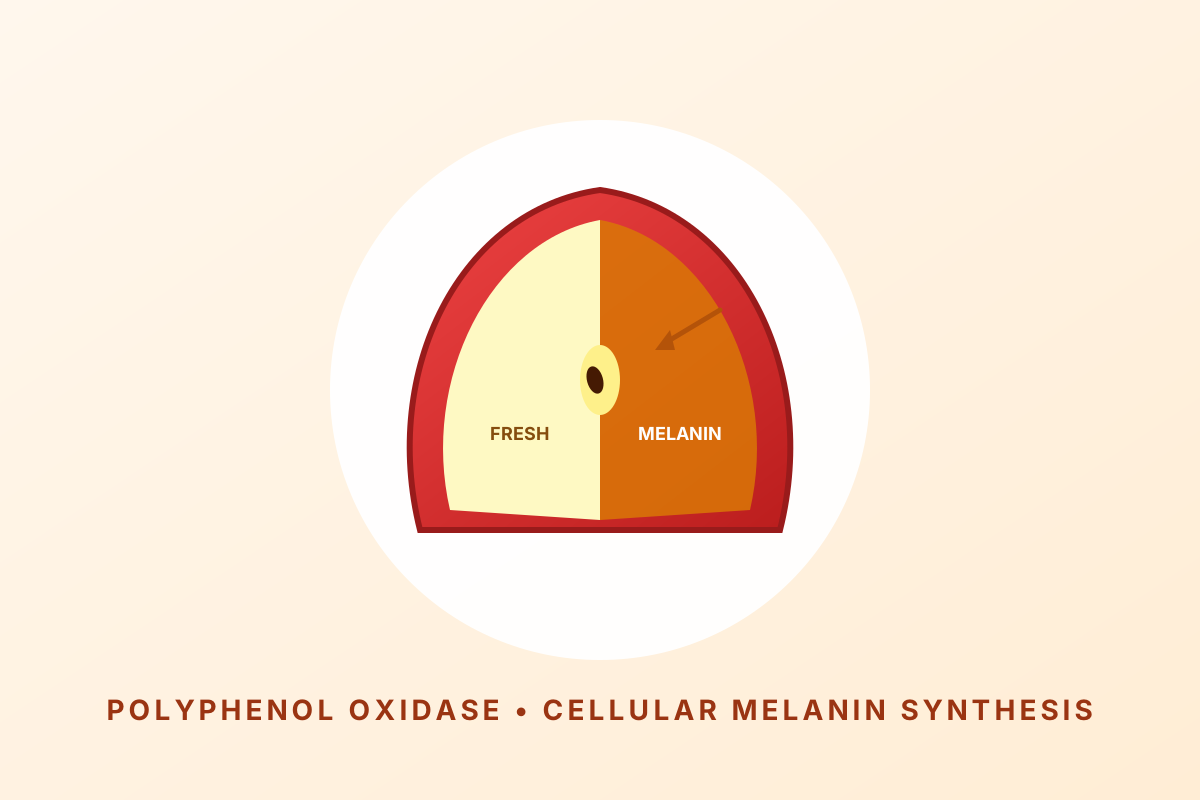
Cut an apple into wedges for an afternoon snack, and if you leave them on the kitchen cutting board for just fifteen minutes, the pristine white flesh takes on an unappetizing rusty brown hue. Yet inside an intact apple hanging from a tree, that flesh remains pale, juicy, and sweet for months.
The rapid transformation is a biochemical cascade known as enzymatic browning. Inside intact plant cells, chemical ingredients are carefully separated into different biological rooms. Enzymes called polyphenol oxidases (PPO) live in the chloroplasts and cytoplasm, while chemical compounds called polyphenols are stored safely inside cellular vacuoles.
When a kitchen knife slices through the fruit, it physically ruptures cell walls and tears open vacuoles, mixing polyphenols and PPO enzymes together while simultaneously introducing atmospheric oxygen. The enzyme rapidly oxidizes the fruit's phenols into reactive molecules called ortho-quinones.
Ortho-quinones immediately undergo spontaneous polymerization, reacting with amino acids and linking into large organic complexes. The resulting pigment is melanin: the exact same biological polymer that produces tans and freckles in human skin and colors dark hair. In apples, this melanin scab forms an antibacterial and antifungal barrier designed to seal the plant wound against rot and insect invasion.
Key Takeaways
- Slicing ruptures cell vacuoles, mixing polyphenol oxidase (PPO) enzymes with oxygen.
- Enzymatic oxidation converts phenols into quinones that polymerize into brown melanin.
- The brown layer functions as an antimicrobial scab to protect injured plant tissues.